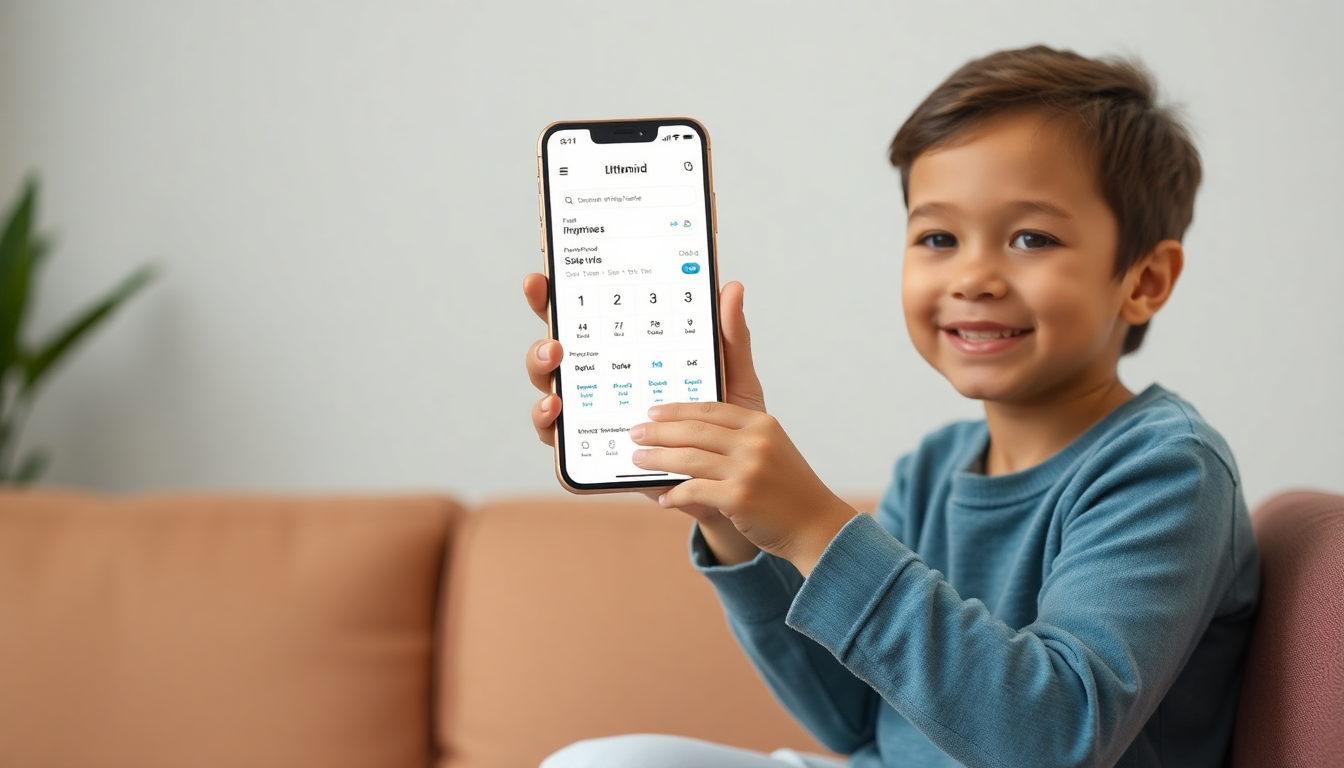
You're sitting across from your child's therapist, trying to explain what's been happening at home. "She seems more withdrawn lately," you say. "He's been difficult." The words feel inadequate, vague impressions that don't capture what you're actually seeing. Then imagine saying this instead: "His mood drops 60% every Monday morning, and I've noticed it correlates with reduced sleep quality on Sunday nights after returning from his dad's house." That specificity changes everything about how professionals can help, and it starts with sharing emotional data with professionals in ways they can actually use.
You know something's off. Your child melts down after school, refuses homework, or can't sleep. But when the teacher asks what's happening at home, or the pediatrician inquires about symptoms, you freeze. Where do you even start?
That gut feeling needs backup. Emotional data, tracked patterns of mood, behavior, triggers, and responses, transforms "I think he's anxious" into "He's had panic symptoms three times this week, always between 7-8 PM." One statement opens a conversation. The other opens a solution.
Effective data-sharing isn't about drowning professionals in spreadsheets. It's about bringing specific, organized observations that help therapists spot patterns, teachers adjust classroom strategies, and doctors rule out medical factors. The right information, delivered the right way, turns abstract worry into concrete action.
And you don't need a psychology degree to get it right. Just a system that captures what matters, and the confidence to share it.
Why Emotional Data Matters in Professional Settings
"My child seems more anxious lately." Every therapist and educator hears variations of this. But what does "more anxious" actually mean? Twice a week versus daily? Worse in the mornings? Triggered by specific situations?
Anecdotal reports rely on memory, and memory is selective. Parents recall the dramatic meltdown last Tuesday but forget the calm week before it. Teachers notice behavior disruptions but miss the gradual buildup. This isn't a failing. It's just how human observation works under stress.

Pattern-based evidence changes the conversation entirely. "Anxiety symptoms spike 70% on school mornings but remain baseline on weekends" gives professionals something concrete to work with. Now you're looking at school-specific triggers rather than generalized anxiety disorder. The intervention shifts from broad coping strategies to addressing what's actually happening in that building.
A speech therapist we worked with tracked a student's emotional states during sessions. The data revealed something surprising: frustration didn't correlate with difficult exercises. It spiked during transitions between activities. The solution wasn't adjusting the therapy, it was adding 30-second buffer periods. Problem solved in two weeks.
Some worry this quantifies emotions too much, turning feelings into sterile numbers. Fair concern. But we're not replacing empathy with spreadsheets. We're giving empathy better tools. The parent who says their child "seems anxious" is already trying to quantify, they just don't have precise language for it yet. Data doesn't diminish the emotion. It clarifies when and why it happens so you can actually help.
Once you understand why tracking child emotional patterns matters, the next step is knowing what to track and how to organize it for maximum impact.
Preparing Your Littlemind Insights for Professional Conversations
Your child's daily patterns tell a story. But only if you track the right things.
Focus on five core areas: mood shifts throughout the day, energy levels (high, medium, low), sleep quality and duration, specific behaviors you're concerned about, and environmental factors like diet changes or stressful events. These create a complete picture that helps professionals see what you see at home.
The trick is separating signal from noise. One rough Tuesday doesn't mean much. But three weeks of consistent afternoon meltdowns? That's a pattern worth discussing. Look for trends over 2-4 weeks before drawing conclusions, kids have off days just like adults.

Visual summaries work best for busy professionals. Create simple charts showing when behaviors cluster (mornings vs. evenings), how sleep correlates with mood, or what happens after specific triggers. Most pediatricians and therapists can absorb a one-page visual faster than pages of notes.
Export your Littlemind data before appointments and format it for context. Seeing a psychiatrist? Highlight mood patterns and medication timing. Meeting with a teacher? Focus on energy levels and behaviors during school hours. Tailor what you share to who needs what information.
Three things always deserve attention: correlations (sleep drops, tantrums spike), sudden changes (normally happy kid becomes withdrawn), and consistent patterns (struggles every Monday morning). These give professionals actionable starting points.
Here's why 30 seconds daily beats hour-long weekly recaps, you capture details in the moment without the mental load piling up. Fresh observations. No memory gaps. And when appointment day comes, you've got weeks of reliable data instead of trying to remember what happened last Thursday.
With your data organized and ready, the real power comes from understanding how different professionals can use these insights to support your child.
Collaborative Approaches with Different Professionals
Your data becomes exponentially more valuable when shared with the right professionals. But each type of expert needs different information, and offers different insights in return.
Therapists use your observations to spot patterns they'd never catch in a 50-minute session. That withdrawn behavior you logged three Tuesdays in a row? It happens right after gym class. Now the therapist knows where to dig. Treatment plans shift from guesswork to targeted interventions when they can see what actually happens at home.
Teachers face the opposite problem, they see the classroom behavior but miss the context. When you share that your daughter's Monday meltdowns coincide with weekend custody transitions, suddenly those "attitude problems" make sense. And when her focus improves after changing breakfast routines? That's actionable information the teacher can build on.
Pediatricians need your data to separate physical symptoms from emotional responses. Is the stomachache real or anxiety? Your log showing it occurs only on test days (never on weekends) gives the doctor actual evidence. That's the difference between ordering tests and teaching coping strategies.
Co-parent collaboration works best when everyone sees the same data. No more "he's fine at my house" debates. The shared log shows that behavioral challenges happen in both homes, just triggered differently. You're building solutions instead of assigning blame.
But set realistic expectations. Professionals can't diagnose from your notes alone. They can't replace their expertise with your observations. What they can do is make faster, more accurate decisions when your data complements their training.
The real power shows up in the feedback loop. You implement the therapist's strategy. You track results. You share what worked (and what flopped). The professional adjusts. Repeat. This is how interventions get refined from "pretty good" to "actually effective for your specific kid."
Knowing who needs what information is half the battle, the other half is presenting mood data in ways that professionals can quickly absorb and act on.
Best Practices for Presenting Emotional Insights
Walk into that conversation with your biggest worry front and center. Don't bury the lead in a pile of charts. If you're concerned about mood patterns or energy levels, say that first, then show the data that raised the flag.
Use precise language when describing what you've observed. Instead of "I'm always anxious," try "I noticed anxiety spikes on weekday mornings over the past three weeks." That specificity helps professionals ask better questions. And when you spot correlations, frame them carefully: "My sleep dropped below six hours on the same nights I logged high stress", not "lack of sleep causes my stress."
Bring both the forest and the trees. Show the overall trend (mood declining over two months) alongside specific incidents that stand out (panic attack on March 15th). Both matter. The pattern shows what's persistent. The incidents show what's acute.
Present observations, not diagnoses. You're there to share what you've tracked, not to announce you've identified your condition. Let the professional do their job, your job is accurate reporting.
Privacy decisions matter. Share symptom patterns, sleep data, mood trends. But you don't need to share every journal entry or private thought. Your tracking tool is yours. Extract what's clinically relevant and keep what's personal.
After your appointment, ask how to incorporate their guidance into your tracking. Should you monitor specific triggers they identified? Track medication effects? Adjust what you're measuring? Your system should evolve with professional input, not replace it.
Turning Parental Intuition Into Professional Action
Sharing emotional data with professionals isn't about reducing your child to numbers or replacing your parental instincts with algorithms. It's about amplifying what you already know with evidence that therapists, teachers, and doctors can act on immediately. Your gut tells you something's wrong, the data shows them exactly where to look.
The beauty of data-driven parenting is how quickly patterns emerge. Most families start seeing meaningful trends within 2-3 weeks of consistent tracking. That's less than a month between "I think something's off" and "Here's exactly what's happening and when."
Effective parent professional communication and collaborating with therapists starts with a simple commitment: 30 seconds a day. That's all it takes with Littlemind's daily check-ins to capture the patterns that matter. No complicated journals. No hour-long recap sessions. Just quick observations that build into powerful insights your child's support team can actually use.
Your data stays yours. You control what gets shared, when, and with whom. Privacy and parental authority remain exactly where they belong, with you. But when you're ready to bring professionals into the conversation, you'll have the tools to make every appointment count.
Start tracking today. The patterns you need are already there, you just need a system to see them clearly.
See what is behind the good and hard days
Littlemind is a 30-second daily check-in for parents of kids aged 4 to 14. Over a few days, gentle AI insights show you patterns in mood, sleep and behaviour, and what helps.