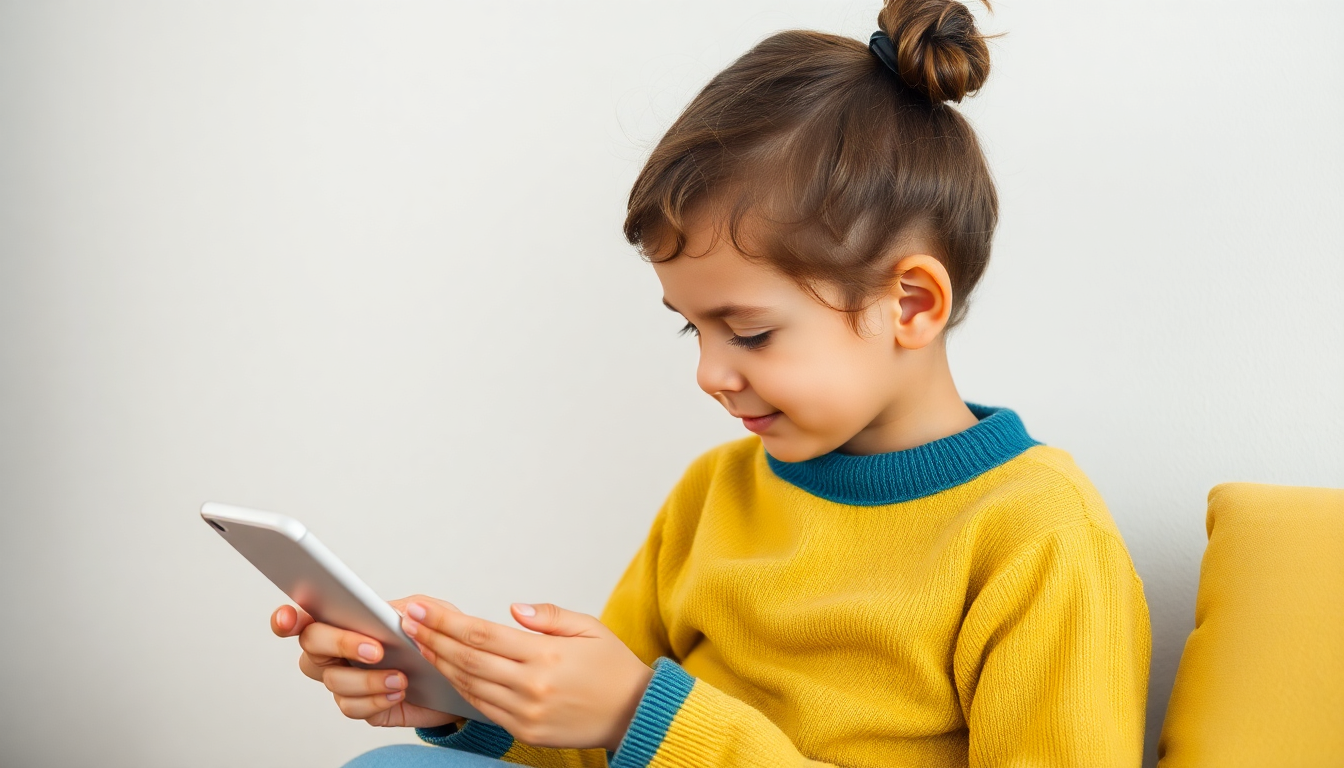
It's 10:47 PM, and you hear it again—the soft glow under your daughter's bedroom door, the muffled ping of notifications. Your once-cheerful 10-year-old now seems anxious, withdrawn, and glued to her device. You're asking the question that keeps thousands of parents awake at night: Is the social media impact on children's mental health changing my child before my eyes?
You're not imagining it. The connection between children's emotional health and social media is real, measurable, and—here's the good news—manageable once you understand what you're actually dealing with.
This isn't another article designed to terrify you about screens. It's a practical guide to recognizing signs of social media anxiety in children, understanding why it happens, and building healthy social media habits for kids that actually work in 2026. Because clarity beats panic every single time.
Let's start with what's really happening when your child can't put the phone down.
The Digital Childhood Dilemma
Your child's phone isn't going anywhere. Social media is woven into how kids communicate, learn, and build their identity. That's just reality in 2026.
But you've seen the signs. The glazed expression at dinner. The panic when WiFi drops. The mood swings that seem to sync with notification sounds. You're not imagining it — and you're not alone in worrying about it.
Here's what most parents miss: social media addiction follows predictable patterns. Once you recognize them, you can actually do something about it. Not through dramatic interventions or phone confiscation battles, but through understanding what's actually happening in your kid's brain when they can't put the screen down.
The difference between normal use and problematic behavior? It's more specific than you think.
How Social Media Reshapes Children's Emotional Development
Understanding the neuroscience behind screen behaviors reveals why the social media impact on children's mental health hits so hard during these critical years.
The teenage brain isn't fully wired yet. The prefrontal cortex — your judgment and impulse control center — won't finish developing until the mid-20s. But the limbic system? That's firing on all cylinders, making adolescents extraordinarily sensitive to social feedback and reward.
Every like triggers a dopamine hit. Every comment becomes a measure of worth. Kids ages 8-14 are particularly vulnerable because they're still figuring out who they are, and social media offers an endless mirror that reflects back distorted versions of reality. FOMO isn't just anxiety about missing a party. It's the constant gnawing feeling that everyone else is living a better, more exciting life — and you're watching it happen in real-time.
Algorithms make it worse. They serve up highlight reels: perfect bodies, perfect vacations, perfect families. A 13-year-old scrolling through curated content doesn't see the reality behind the filter. They see an impossible standard and measure themselves against it. Body image issues are spiking, especially among girls who spend more than three hours daily on visual platforms like Instagram and TikTok.
But here's what concerns child psychologists most in 2026: the displacement effect. Every hour spent on screens is an hour not spent reading facial expressions, navigating conflict with friends face-to-face, or playing outside. These aren't trivial skills. They're the foundation of emotional intelligence.
The story isn't entirely bleak, though. When used intentionally, social platforms help kids find their people — the anime fan in rural Montana connecting with others who get it, the young activist building community around causes they care about. Creativity flourishes on YouTube. Support networks form on Discord. The platform isn't the problem. It's how we're letting it reshape childhood.
Recognizing Warning Signs: When Social Media Use Becomes Harmful
Once you understand the developmental vulnerabilities, the next step is recognizing when typical use crosses into problematic territory.
Your child's behavior tells a story their words might not. Watch for withdrawal from family dinners or game nights they used to love. Notice the phone angled away when you walk by. Track bedtimes that creep later and later.
The emotional shifts hit harder. Anxiety spikes right before they open an app — or right after they close it. Mood swings appear out of nowhere. And when you suggest putting the phone away? Instant irritability or even anger that seems way out of proportion.
Physical symptoms show up too. Complaints about headaches or tired eyes become routine. Sleep deprivation leaves dark circles and sluggish mornings. You might notice they're skipping meals or eating while scrolling, barely tasting their food.
Their social world starts shrinking. Real-world friendships fade as in-person plans get canceled. Activities they once begged to do — soccer practice, art class, hanging with friends — suddenly don't interest them. They're constantly measuring themselves against curated online lives, and they're always coming up short.
Grades slip. Teachers mention reduced focus or incomplete assignments. Homework sessions stretch for hours because concentration keeps breaking.
Here's the tricky part: kids rarely connect these dots themselves. A 13-year-old won't say "My excessive Instagram use is disrupting my sleep and causing social anxiety." But the pattern speaks clearly. Two hours of nightly scrolling, chronic fatigue, and declining friendships aren't separate issues — they're a system breaking down.
You have to become a detective of patterns, not just problems.
Age-Specific Vulnerabilities: How Impact Varies by Development Stage
Not all signs of social media anxiety in children look the same—they shift dramatically depending on your child's developmental stage.
Your child's brain isn't just smaller than yours. It processes digital experiences in fundamentally different ways at each developmental stage.
Ages 4-7: Kids can't reliably distinguish online content from reality. They see a YouTube video and think it's happening right now, somewhere real. This makes them especially vulnerable to inappropriate content — they don't have the cognitive filters to dismiss what they see. A scary image sticks differently when your brain treats it as a real threat.
Ages 8-11: Now comes the comparison trap. Their brains are wired to figure out where they fit in the social hierarchy, and social media hands them an endless feed of "proof" they don't measure up. Identity formation kicks in during these years. Every like (or lack of one) feels like verdict on who they are.
Ages 12-14: Emotional reactivity peaks right as they gain more online freedom. The prefrontal cortex — the part that says "maybe don't post that" — won't fully develop for another decade. Cyberbullying hits harder because their brains amplify rejection. Risk-taking online increases because consequences feel abstract.
Tracking emotional patterns across these stages reveals age-specific triggers you'd otherwise miss. A 9-year-old's anxiety spike after Instagram use looks different from a 13-year-old's. Same app, different developmental vulnerability.
Evidence-Based Strategies for Healthier Social Media Relationships
Building healthy social media habits for kids starts with collaboration, not confrontation.
The most effective approach isn't about control. It's about collaboration.
Start by creating a family media agreement — together. Sit down with your kids and actually ask what they think fair boundaries look like. You'll be surprised how reasonable they can be when they have a voice. Write it down. Revisit it every few months as they grow.
Phone-free zones work because they're predictable. No devices at meals. Bedrooms stay screen-free after 9pm. The first and last hour of each day belongs to the real world, not the scroll. Simple rules, consistently applied.
But here's what matters more than any rule: watch with them. Scroll together sometimes. Ask what they're seeing, who they follow, why that video made them laugh. You're not spying — you're teaching them to think critically about the content flooding their feeds. That skill will protect them far better than any filter.
And yes, they're watching you too. Put your phone down at dinner. Don't check it while they're talking. Kids mirror what we do, not what we say.
Use parental controls when they're young. Loosen them as they mature. The goal isn't to build a fortress — it's to prepare them for life outside your walls.
Focus on crowding out the bad with the good. Get them into sports, music, volunteering, anything that builds confidence in the physical world. When their real life feels rich, the virtual one loses some of its grip.
The 2026 approach? Protect them now. Prepare them for later. Both matter.
The Power of Pattern Recognition in Understanding Your Child
The foundation of parenting digital wellbeing lies in seeing what your child can't yet articulate themselves.
You know something's off. Your daughter seems quieter after school. Your son snaps at dinner for no reason. But when you ask what's wrong, they shrug and say "nothing."
This is where pattern recognition changes everything. When you track mood alongside screen time, the invisible becomes visible. That Sunday night anxiety? It spikes after two hours on TikTok. The irritability on Wednesdays? Turns out those are heavy Instagram days.
Real patterns emerge fast. A 13-year-old might show mood drops within 30 minutes of group chat drama. A 16-year-old's energy crashes on days with 4+ hours of usage. You're not guessing anymore — you're observing.
And here's what matters most: data-driven observations replace confrontation. Instead of "You're always on that phone," you can say "I noticed you seemed down last Thursday after being online in the evening. What was going on?" That's a conversation starter, not an accusation.
This matters during transitions especially. New school. Parents divorcing. Friend group shifts. When everything feels chaotic, patterns reveal what's actually affecting your kid versus what you're worried might be affecting them.
Plus, therapists and school counselors actually use this information. "My child seems sad" is vague. "My child's mood drops 60% of the time after evening social media use" gives professionals something concrete to work with.
From Worry to Understanding: Your Next Step
Social media isn't good or bad. It's the relationship your child builds with it that matters.
Understanding the patterns behind problematic use gives you something concrete to work with. You're not fighting some invisible monster anymore. You know what dopamine loops look like. You recognize when scrolling becomes avoidance. And that knowledge turns worry into action.
This isn't a one-time conversation or a single intervention. It's ongoing work—like teaching them to drive or manage money. Some weeks will be harder than others. But you're not trying to create perfect digital citizens. You're raising emotionally resilient kids who understand themselves.
You can guide them toward healthier patterns. Set boundaries that make sense. Create space for real connection. Your influence matters more than you think.
What if you could see the patterns connecting your child's moods to their daily experiences—including social media use? Those abstract worries about screen time could become concrete insights you can actually act on.
In just 30 seconds a day, Littlemind helps you transform vague concerns into clear patterns. No judgment. No invasive monitoring. Just simple mood tracking that reveals what children can't articulate themselves—which days they struggled, what activities preceded their best moments, and yes, how their digital habits correlate with their emotional wellbeing.
Start with observation. The understanding will follow. And from understanding comes the kind of parenting digital wellbeing that prepares your child not just to survive the digital world, but to thrive in it.