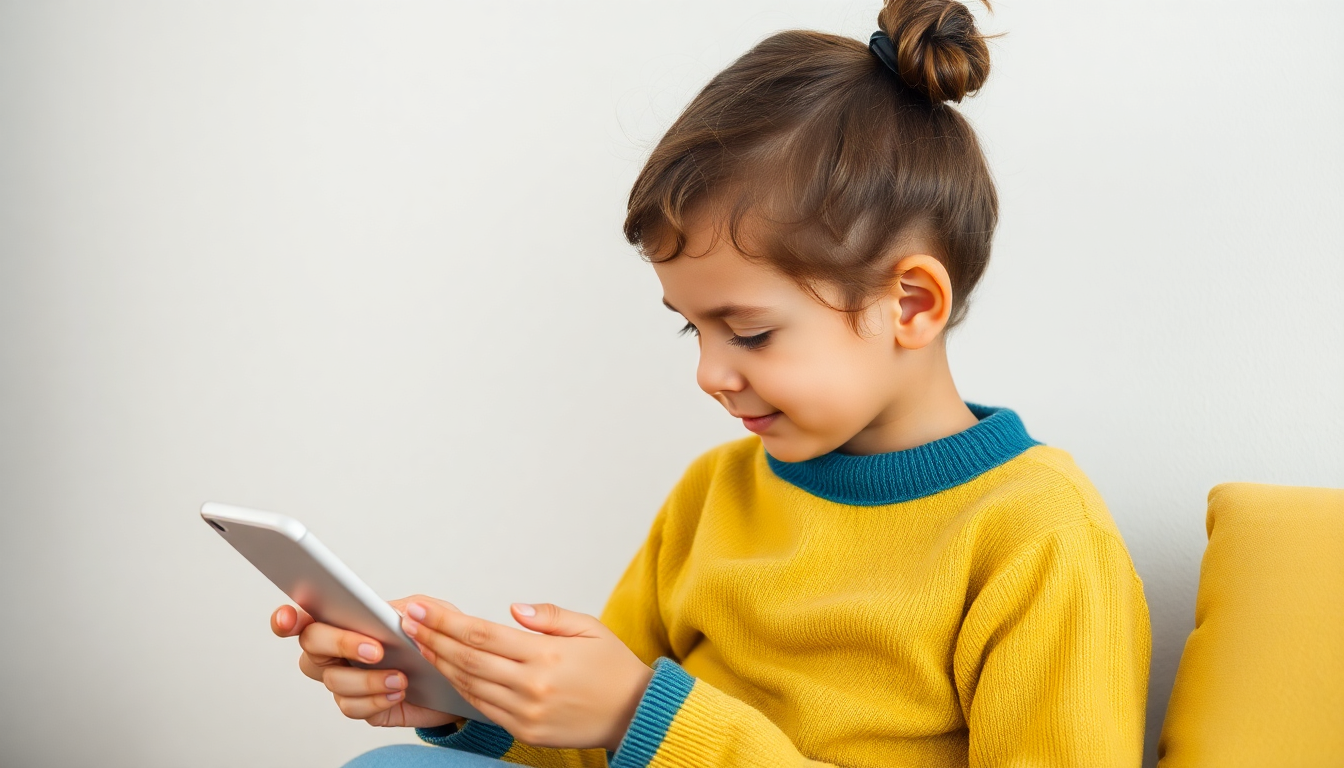
It's the third morning this week your child has complained of a stomachache before school. You've checked their temperature, watched what they eat, even scheduled a pediatrician visit—and found nothing medically wrong. What if this isn't a physical problem at all? What if these recurring complaints are actually signs of anxiety in children that you haven't recognized yet?
Childhood anxiety rarely announces itself clearly. It hides behind headaches, behavior changes, and what looks like defiance or drama. The anxious child doesn't say "I'm overwhelmed"—they say their stomach hurts, they can't sleep, or they suddenly refuse activities they used to love. These symptoms seem unrelated until you step back and connect the dots.
Here's what most parents don't realize: recognizing anxiety in kids requires a different lens than spotting it in adults. The signs are there, but they're disguised. And when you miss them early, you're not just dealing with a worried phase—you're watching patterns form that can reshape your child's development and follow them into adulthood.
Let's decode what childhood anxiety actually looks like, why it's so easy to miss, and how to move from confusion to clarity.
Why Childhood Anxiety Often Goes Unnoticed
A seven-year-old doesn't walk up and say, "Mom, I'm experiencing anticipatory dread." They complain their stomach hurts. Again. For the third morning this week.
Kids lack the emotional vocabulary adults take for granted. They can't articulate that tightness in their chest or explain why their brain won't stop spinning at bedtime. So anxiety disguises itself as physical symptoms, behavioral changes, and what looks like defiance. That "difficult" child refusing to go to school? They might be paralyzed by fear they can't name.

And childhood anxiety doesn't look like adult anxiety. Adults might catastrophize about job security or health. Kids develop elaborate bedtime rituals, refuse to separate from parents, or have meltdowns over seemingly minor changes. They're managing the same internal chaos — just with a developing brain that processes threat differently.
Here's where it gets tricky: all children have fears. Monsters under the bed at age four? Normal. Social anxiety about starting middle school? Expected. But when does normal cross into disorder? When the fear is persistent, excessive for the child's age, and starts limiting their life — school refusal, avoiding friends, physical symptoms that disrupt daily functioning.
Miss these early signs, and you're not just dealing with a worried kid. Untreated childhood anxiety reshapes brain development, increases risk for depression and substance abuse, and often persists into adulthood. Early intervention matters. A lot.
So what exactly should you be looking for? Let's break down the specific childhood anxiety symptoms that often fly under the radar.
7 Common Signs of Anxiety in Children (Broken Down by Age)
Your seven-year-old suddenly complains of a stomachache every morning before school. Your tween can't fall asleep without asking you twenty questions about tomorrow. Your teenager, once social and outgoing, now makes excuses to skip group activities.
These aren't just phases. They're often how anxiety shows up in kids — and it looks different at every age.
Physical symptoms hit first. Headaches, stomachaches, and unexplained fatigue are anxiety's favorite disguises. Your child isn't faking it. Their body is genuinely responding to psychological stress, even when doctors find nothing medically wrong.

Then come the behavioral shifts. Clinginess that seems out of nowhere. Avoidance of situations they used to handle fine. Perfectionism that melts into tantrums when things aren't "just right." Irritability that flares without obvious triggers.
Sleep becomes a battlefield. Trouble falling asleep. Nightmares that wake them up panicked. Early morning waking with racing thoughts. For anxious kids, bedtime means their worries finally have a captive audience — themselves.
Social withdrawal sneaks in gradually. Playdates get declined. School refusal escalates from complaints to physical symptoms. Activities they once loved? Now too overwhelming to consider.
Sometimes you'll see regression — bedwetting in a child who's been dry for years, baby talk from a previously independent kid, or needing comfort items they'd outgrown. It's their way of seeking safety when everything feels uncertain.
Academic red flags include trouble concentrating (even on subjects they love), assignments left incomplete despite ability, and grade drops that shock teachers who know their potential.
And there's the worry itself. Repetitive questions about the same scenario. Catastrophic thinking that jumps from "late to practice" to "everyone will hate me forever." Those exhausting "what if" loops that spiral without resolution.
Here's where age matters: Ages 4-7 show anxiety through separation fears, literal thinking ("Is the monster real?"), and physical complaints. Ages 8-11 develop social anxiety, perfectionism, and specific worries about performance or safety. Ages 12-14 experience internal anxiety — rumination, self-criticism, and social comparison — that's harder for parents to spot.
The earlier you recognize these patterns, the faster you can help your child build coping skills that actually work.
But recognizing individual symptoms is just the beginning—understanding when and why they occur is where real insight happens.
The Pattern Recognition Advantage: Why Tracking Makes the Invisible Visible
Your child melts down after school. You note it. Two weeks later, another rough afternoon. You remember the last one, but was it Tuesday? Thursday? Did something happen that morning?
One-off symptoms tell you almost nothing. A single bad day could be poor sleep, a playground conflict, hunger, or anxiety about an upcoming event. Without context, you're guessing. Parents often describe their kids in broad strokes — "difficult," "moody," "anxious" — because that's all the data allows.
But when you track daily, patterns emerge that wouldn't otherwise connect. Mood correlated with life events over time reveals the actual triggers. Not "my child is difficult" but "anxiety spikes correlate with custody transitions every other Thursday." Not "bad mornings" but "behavior deteriorates after nights with less than 8 hours of sleep."
The invisible becomes visible.
What to track:
- Mood intensity and type (anxious, irritable, withdrawn, energized)
- Energy levels throughout the day
- Sleep quality and duration
- Specific behaviors (tantrums, avoidance, aggression)
- Contextual events (school tests, social conflicts, schedule changes, custody transitions)
Littlemind's AI pattern detection does the heavy lifting here. You log observations in 30 seconds. The system identifies trends across weeks and months — correlations you'd never spot manually. It flags when certain triggers consistently precede certain behaviors. It shows you what you couldn't see before.
That's when intervention becomes precise instead of reactive.
Once you understand the patterns behind your child's anxious child behavior, you can implement strategies that actually address the root causes.
Practical Strategies to Help an Anxious Child
Start with validation. When your child says they're scared, resist the urge to say "You're fine" or "There's nothing to worry about." Instead, try "I see this feels really big right now" or "Your body is telling you something feels scary." You're not agreeing the threat is real — you're acknowledging their experience is real.
Body-based tools work because anxiety lives in the body first. Teach simple breathing: four counts in, hold for four, out for six. Or try progressive muscle relaxation — squeeze fists tight for five seconds, then release. Kids as young as five can learn these with practice (and they work better when you're calm, not mid-meltdown).
Predictability reduces anxiety's fuel supply. Create routines they can count on. Use visual schedules for younger kids — actual pictures of morning tasks in order. Give advance notice before transitions: "In 10 minutes, we're leaving for school." Then five minutes. Then two.
Here's the hard part: knowing when to gently push versus when to accommodate. If your child refuses school because of anxiety, complete avoidance makes it worse. But forcing them into terror doesn't work either. Think gradual exposure — maybe they attend for two hours, then three, building tolerance slowly. You're looking for the edge of discomfort, not panic.
Younger children (ages 4-8) need co-regulation. They can't calm themselves alone yet. Sit with them. Breathe together. Offer your calm nervous system as a loan until theirs settles.
Older kids (ages 9-14) can learn cognitive strategies. Teach them to challenge anxious thoughts: "Is this thought helpful? What would I tell a friend who said this?" Or set a daily 15-minute "worry time" — anxiety gets attention then, not all day.
And track what you're seeing. Write down triggers, responses, what helped. This data becomes your bridge when talking to therapists, doctors, or school counselors — concrete patterns beat vague descriptions every time.
Sometimes, though, home strategies aren't enough—and that's when bringing in professional support becomes essential.
When to Seek Professional Help
Some worry is normal. But watch for these red flags: anxiety that lasts more than two weeks, worry so intense your child can't focus at school, or fear that keeps them from activities they used to love. If anxiety is disrupting daily life, it's time to reach out.
Bring your documented patterns to that first appointment. Pediatricians and therapists make faster, more accurate assessments when they see concrete data instead of relying on memory alone. "She seems anxious lately" becomes "Here are 23 instances over six weeks where she refused to go to friends' houses."
You have options for professional support:
- Your pediatrician — often the best first stop for ruling out medical causes and getting referrals
- Child psychologists or therapists — specialized in anxiety treatment and behavioral interventions
- School counselors — can provide support and accommodations during the school day
Think of your Littlemind data as a collaboration tool, not a diagnosis. It gives professionals a head start on understanding your child's specific patterns. The psychiatrist sees the worry timeline. The therapist spots the triggers immediately. And everyone works from the same foundation of facts — which means your child gets targeted help faster.
From Recognition to Action: Your Next Step
You've spotted the signs. You understand that tracking child anxiety reveals patterns your memory can't hold. Now comes the real work: turning "something feels off" into actionable insights you can actually use.
This is where most parents get stuck. They recognize the anxiety, maybe even note a few incidents, but without a system, the dots never connect. You're left with fragments instead of the full picture—and your child continues struggling while you guess at solutions.
Littlemind changes that equation. Thirty seconds a day to log what you're seeing. AI-powered pattern detection that identifies correlations across weeks and months. Clear visualizations that make the invisible visible—whether you're adjusting bedtime routines, communicating with co-parents, or working more effectively with your child's therapist.
Recognition is step one. Understanding patterns is where clarity begins. Try Littlemind's free 14-day trial and start connecting the dots in your child's emotional landscape. No credit card required. Just the insights you need to help your anxious child thrive.