Your 8-year-old melts down over mismatched socks. Again. You know something deeper is going on, but what? These daily explosions feel random, unpredictable—impossible to prevent. The truth is, understanding the benefits of mindfulness for children starts with recognizing that kids often can't identify what they're actually feeling, let alone why.
When children learn mindfulness, they develop something crucial: emotional awareness. That ability to pause and think, "Wait, what am I feeling right now?" transforms everything. It's the difference between throwing the socks across the room and saying, "I'm worried about school today."
But here's what makes this hard for parents: you're trying to help your child manage emotions when you can't see the patterns driving them. Is it sleep? Friendship drama? Something at school? Without that clarity, you're responding to symptoms instead of causes.
That's exactly where mindfulness creates a foundation—and where understanding your child's unique patterns takes the practice even deeper.
What Is Mindfulness for Children? (And Why It Matters Now)
Mindfulness for children means teaching them to notice what's happening right now. Their breath. The sound of rain. How their body feels when they're frustrated. No judgment — just awareness.
But here's the thing: kids aren't mini adults. They can't sit still for 20-minute meditations. Their mindfulness practice looks different — shorter bursts, game-like activities, lots of movement and sensory exploration. A three-minute breathing exercise works better than a half-hour silent session.

And right now, in 2026, kids need this more than ever. Screen time has climbed even higher post-pandemic. Academic pressure starts earlier. Anxiety in children under 12 has become the norm, not the exception. Many kids spend more time in virtual spaces than physical ones, disconnected from their own internal experiences.
That's where mindfulness creates a foundation. When children learn to pause and notice their feelings, they start recognizing patterns. "Oh, my chest gets tight before tests." Or "I always feel angry after too much tablet time." This pattern recognition — the core of emotional intelligence — helps them respond instead of react. It's not about becoming calm all the time. It's about understanding themselves well enough to make better choices.
Once your child understands what mindfulness actually is, the next question becomes: what will it do for them?
7 Research-Backed Benefits of Mindfulness for Children
Teaching children mindfulness isn't just trendy — it rewires their developing brains in measurable ways. And the benefits show up fast, often within weeks of regular practice.
Emotional regulation improves first. Kids learn to pause and name what they're feeling before meltdowns happen. Instead of "I'm angry!" turning into thrown toys, they recognize the heat rising in their chest. That recognition creates space. Space to choose a different response.
Anxiety and stress drop when children practice even simple breathing exercises. Their parasympathetic nervous system kicks in — the body's natural calm-down mechanism. Cortisol levels decrease. Heart rates steady. That tight feeling in their stomach? It loosens.

You'll also see sharper focus. Mindfulness strengthens the prefrontal cortex, the brain region responsible for attention and executive function. Kids who practice regularly can sit with homework longer. They finish tasks they start. Their teachers notice.
Impulse control gets easier because mindfulness creates that crucial gap between feeling and action. A child who wants to grab a toy from another kid might actually stop. Think. Consider. Then ask instead.
But the social benefits run deeper. Empathy grows when children tune into their own emotions — they start recognizing those same feelings in others. They notice when a classmate looks sad. They offer help without being prompted.
Sleep improves too. Racing thoughts at bedtime calm down when kids use breathing techniques or body scans. They fall asleep faster and wake less during the night.
Perhaps most importantly, mindfulness builds resilience during life's inevitable upheavals. Divorce. Moving to a new city. Changing schools. Kids with mindfulness skills bounce back faster because they've practiced sitting with uncomfortable feelings instead of running from them. They know hard emotions pass. They always do.
Understanding these benefits is one thing—but teaching mindfulness to children requires age-appropriate approaches that actually work.
Age-Appropriate Mindfulness Techniques for Kids (4-14)
Young kids need mindfulness that feels like play, not meditation. For ages 4-6, sensory-based practices work best because they're concrete and immediate. Try the "5 senses game" where they name something they see, hear, smell, feel, and taste. Belly breathing becomes fun when a stuffed animal rides their tummy up and down. Or have them close their eyes and count how many different sounds they notice in 30 seconds.
Ages 7-10 can handle slightly longer exercises. Body scans work well — "Notice how your toes feel. Now your legs. Now your belly." Guided imagery takes them on mental adventures (imagine you're a leaf floating down a stream). Mindful coloring or drawing gives restless hands something to do while their mind settles.
Tweens and early teens (11-14) can explore more traditional practices. Breath counting gives their analytical brains a task. Progressive muscle relaxation — tense and release each muscle group — helps them recognize where they hold stress. Thought observation is powerful at this age: "Notice the thought. You don't have to believe it or push it away. Just see it."
Here's what matters most: Start with 2-5 minutes maximum. Make it playful, not prescriptive. And never force participation — that kills curiosity fast.
Frame mindfulness as a skill, not a punishment. Don't say "You need to calm down, go do your breathing." Instead, practice together during calm moments. Make it part of your routine. That way it becomes a tool they choose, not something imposed when they've messed up.
Knowing these mindfulness activities for children is helpful, but the real challenge is weaving them into everyday life.
Incorporating Mindfulness Into Your Family's Daily Routine
Start small. Really small. Two minutes of breathing together before everyone rushes out the door creates more impact than you'd think. And breakfast becomes meditation when you ask your kids to notice three things: how their toast smells, the crunch sound it makes, the sweetness of the jam.
Transition moments are gold. That car ride to school? Try a "silent minute" where everyone just listens. After school, build in 10 minutes of decompression time before homework starts — no questions, no demands, just space to land.
Evening routines practically beg for mindfulness practices. Try these:
- Gratitude swap — each person shares one good thing from their day (specific, not generic)
- Body scan — guide kids to notice tension in their shoulders, jaw, hands as they settle into bed
- Worry jar — write anxious thoughts on paper, drop them in, leave them there overnight
Weekends offer breathing room. Nature walks become sensory expeditions when you challenge kids to find five sounds, four textures, three colors. Even five minutes of stretching together counts as mindful movement.
Here's the thing — consistency beats duration every time. Three minutes daily outperforms 30 minutes on Sunday. Model it yourself (your kids watch everything you do). And ditch perfectionism. Some days you'll forget. That's fine.
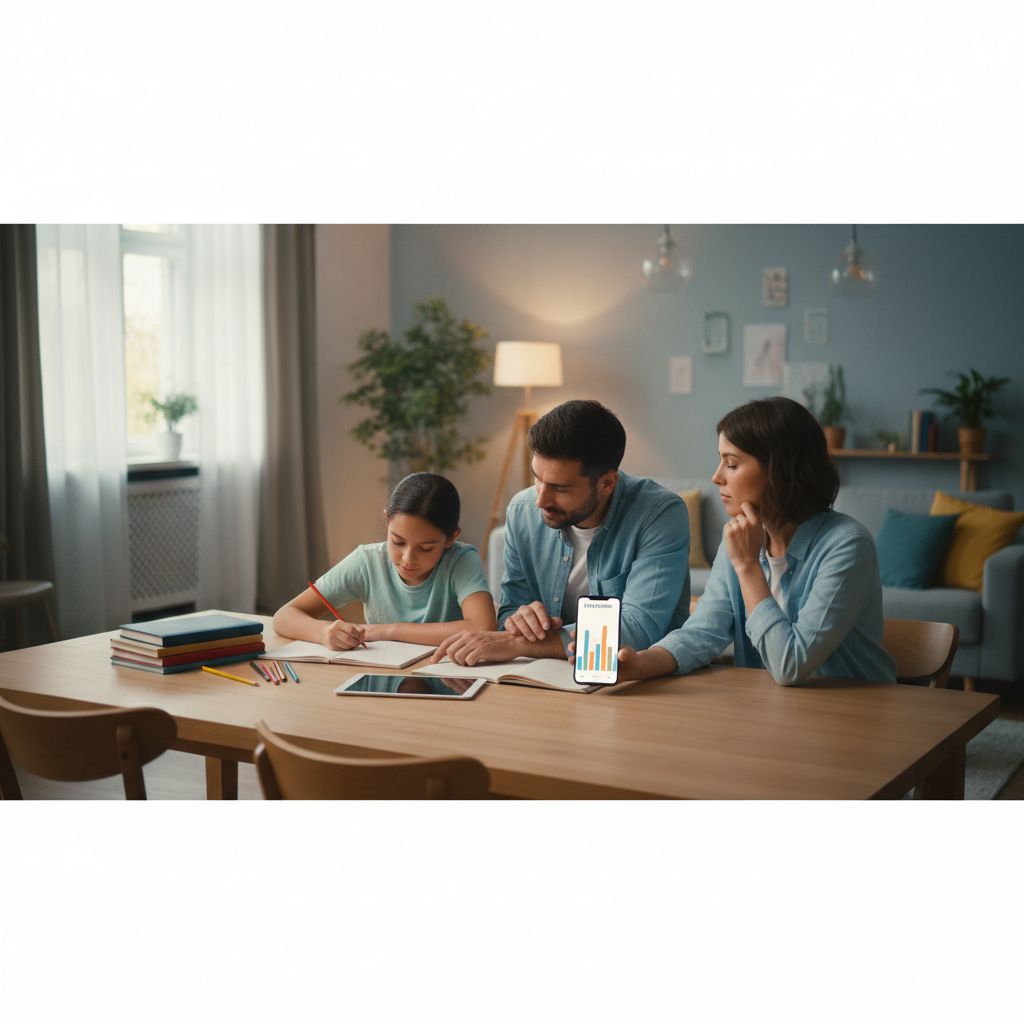
When you pair these practices with simple mood tracking, patterns emerge. You might notice your daughter's anxiety spikes on soccer practice days, or your son feels calmer after morning breathing. That awareness? It's the bridge between practicing mindfulness and actually understanding what helps your family thrive.
But even with consistent practice, you might notice something important: mindfulness helps in the moment, but the bigger patterns remain unclear.
When Mindfulness Alone Isn't Enough: Recognizing Patterns
Mindfulness works. But it's not magic.
Think of it like teaching your child to ride a bike. The training wheels help — but if they're still falling after weeks of practice, something else needs attention. Same with mindfulness and children's emotional health.
You need to watch for patterns over time. Is your daughter's anxiety getting better with breathing exercises, or just shifting around? Does your son's anger calm down during meditation, then explode an hour later? Without tracking, you're guessing.
Some signs say you need more than mindfulness alone:
- Mood changes that stick around for weeks
- Pulling away from friends they used to love
- Sleep that's gone sideways — can't fall asleep, can't wake up, nightmares
- Grades dropping when nothing else changed
Here's where data changes everything. "My child seems anxious" is hard to act on. "Anxiety spikes every Sunday at 7pm before the school week" — now you've got something concrete.
Track their emotional patterns alongside mindfulness practice. You'll see what actually moves the needle. And when you do need to bring in a therapist, teacher, or pediatrician, you're not walking in empty-handed. You've got real patterns to share.
Understanding Comes Before Fixing
The benefits of mindfulness for children are real and proven. Your child learns to pause, notice, and choose their response. That's powerful. That's foundational.
But mindfulness gives children tools for emotional awareness in the moment—parents need tools to understand the patterns over time. What's really affecting your child during school transitions? Friendship changes? Family stress? Those insights don't come from breathing exercises alone. They come from paying attention consistently.
That's where Littlemind complements your mindfulness practice. Simple daily check-ins reveal what's actually happening with your child's emotional wellbeing across weeks and months. No judgment. No pressure to fix everything immediately. Just clarity.
Because here's the truth: understanding comes before fixing. When you can finally see the patterns—when Sunday nights are hard, when your child thrives after outdoor time, when friendship drama creates ripple effects—you can respond with intention instead of guesswork.
Start noticing the patterns. Your child is learning to understand themselves through mindfulness. Now it's time for you to understand what's really shaping their days.