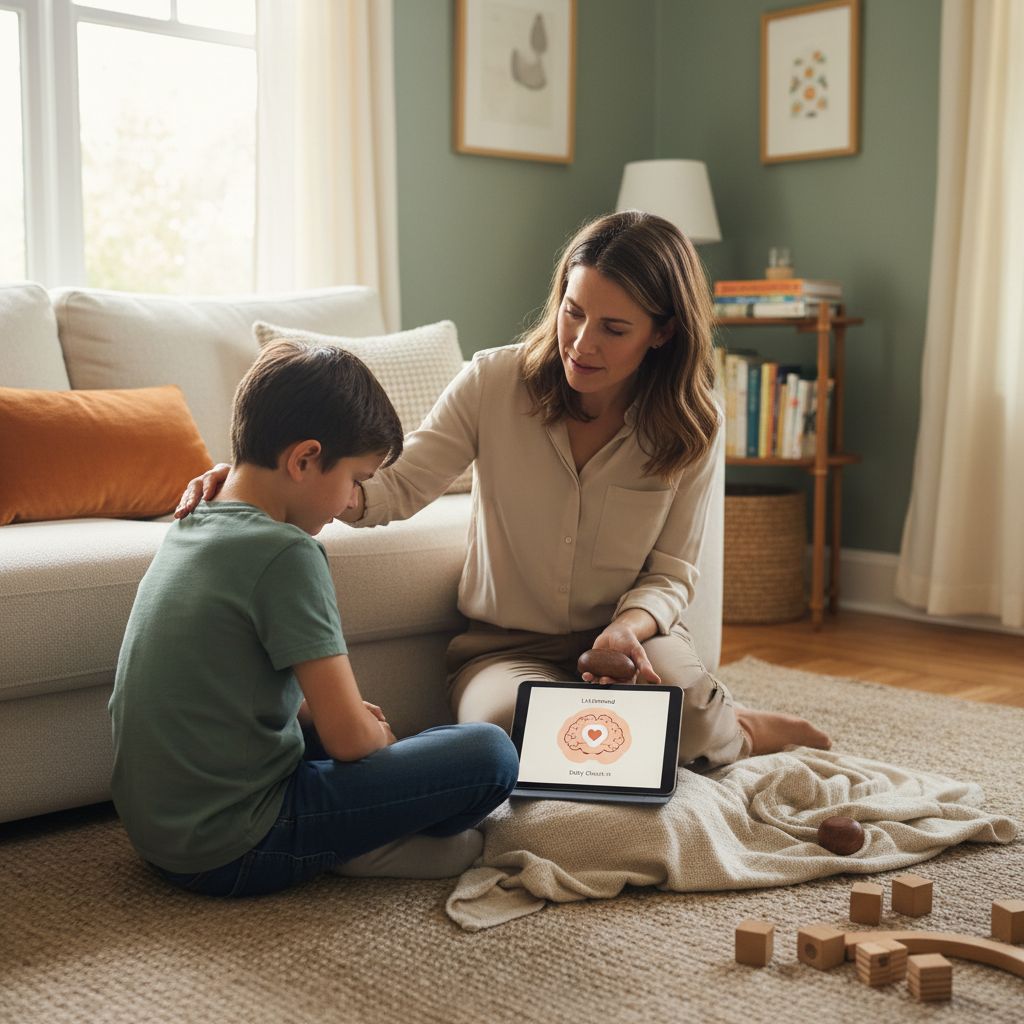
Your eight-year-old is having a meltdown over math homework. Your kindergartener can't fall asleep because they're worried about tomorrow's show-and-tell. Your preteen snaps at everyone after a tough day at school. Have you ever wished you could hand your child a tool to manage these big feelings in the moment, something practical that actually works?
That tool exists, and it's simpler than you think. Mindfulness techniques for children aren't about silent meditation retreats or sitting cross-legged for hours. They're practical, research-backed strategies that help kids notice and manage their emotions in real time. No special equipment required. No extensive training needed. Just a few minutes a day and techniques you can teach starting tonight.
The best part? These calming techniques for children work because they're designed for how young brains actually develop. Let's explore why mindfulness matters for your child's emotional growth and the specific exercises that make the biggest difference.
Why Mindfulness Matters for Children's Emotional Development
Mindfulness for kids isn't about sitting still for 30 minutes or emptying their minds. It's simpler than that. Think of it as helping children notice what's happening right now, their feelings, their thoughts, their breath, without deciding those things are good or bad.
Between ages 4 and 14, children's brains are building the neural pathways that control emotional regulation. The prefrontal cortex (the part that manages impulses and reactions) doesn't fully mature until the mid-20s. But here's the thing: mindfulness practice actually strengthens these developing pathways. Kids who practice regularly show measurable improvements in their ability to pause before reacting and to calm themselves when emotions run high.

The research consistently shows three major benefits. Reduced anxiety, children report feeling less worried and overwhelmed. Improved focus, teachers notice kids can concentrate longer and ignore distractions better. Better emotional control, parents see fewer meltdowns and more ability to bounce back from disappointment.
These skills matter most when life gets hard. During divorce, a child who practices mindfulness has tools to process the confusion and sadness. Moving to a new school becomes less terrifying when you can observe your nervousness without being swallowed by it. Family stress doesn't hit quite as hard when you know how to find moments of calm.
And we're not talking about vague "feeling better." Studies tracking children over several months show measurable mood improvements, fewer reported symptoms of depression, higher scores on emotional wellbeing assessments, and better relationships with peers and adults.
Now that you understand why these practices work, let's look at specific mindfulness exercises for kids you can start using today.
5 Simple Mindfulness Exercises to Start Today
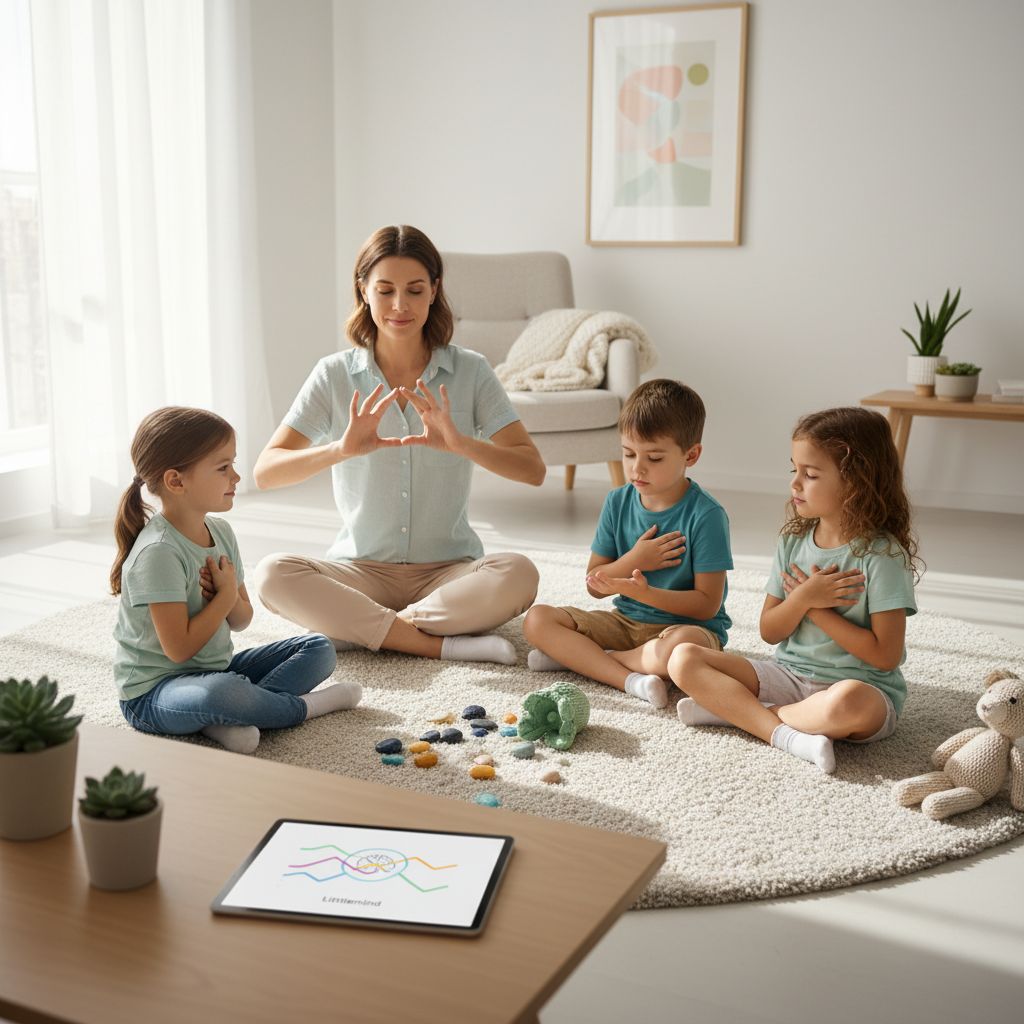
You don't need special equipment or training to start practicing mindfulness with your kids. These five exercises work anywhere, at home, in the car, even at the dinner table.
Belly Breathing (3-5 minutes): Have your child lie down and place a small stuffed animal on their stomach. They watch it rise and fall with each breath. Count to four on the inhale, hold for two, then exhale for four. For younger kids (4-7), turn it into a story, "Let's make the bunny go to sleep by rocking him gently." Older kids (8-14) can do this sitting up, using just their hand on their belly, and experiment with different breath counts.
Five Senses Check-In (2 minutes): Stop whatever you're doing and name five things you see, four things you can touch, three things you hear, two things you smell, and one thing you taste. Little ones might need prompting, "What do you hear right now?" Tweens can do this silently as a reset between homework subjects.

Mindful Listening (5 minutes): Ring a bell, chime, or singing bowl. Everyone sits quietly and raises their hand when they can't hear the sound anymore. That's it. Younger children love the "game" aspect of catching the exact moment silence arrives. Older kids can close their eyes and notice how their attention wanders, then comes back.
Body Scan for Kids (5-7 minutes): Guide them through noticing each body part from toes to head. For ages 4-7, use imagery, "Squeeze your toes like you're making orange juice, then let them relax." With 8-14 year olds, skip the metaphors and simply ask them to notice tension, then release it.
Gratitude Moment (2 minutes): Before bed, everyone names three good things from their day. They can be tiny, "My sandwich was good" counts. Younger kids might need examples to start. Older ones can write theirs in a journal instead of saying them out loud.
Start with one exercise. Do it daily for a week before adding another. Consistency beats variety when you're building a new habit.
Once you've chosen an exercise, the next challenge is making it stick without turning it into another daily battle.
Making Mindfulness a Daily Habit (Without the Power Struggle)
You don't need 20-minute meditation sessions. Start with two minutes. That's it. Kids won't push back against something that takes less time than tying their shoes.
The secret is anchoring mindfulness to something they already do. Right after brushing teeth works perfectly, they're already standing still. Car rides home from school create natural transition moments. Bedtime offers built-in wind-down time when bodies are ready to slow down anyway.
But here's what actually works: practice together. Don't send your child off to meditate alone. Sit with them. Breathe with them. They'll mirror your calm (and you'll benefit too).
When resistance shows up, and it will, skip the sitting entirely. Try movement-based options instead. Walking meditation around the backyard. Stretching while focusing on breath. Even coloring with attention to each stroke counts as mindfulness practice.
Track what happens, not what should happen. Notice patterns without judgment. Maybe mornings are rushed disasters but after-school moments click. Maybe Tuesdays work and Thursdays don't. That's fine. You're building a habit that fits your actual life, not an Instagram version of family wellness.
Consistency beats perfection every single time. Three minutes daily trumps one 30-minute session weekly.
But how do you know if teaching mindfulness to children is actually making a difference in your household?
Tracking the Real Impact: Does Mindfulness Actually Help Your Child?
You won't know if mindfulness works based on your gut feeling alone. You need data. Real patterns that show up over days and weeks, not just "I think she seems calmer."
Start with a baseline. Before you introduce any mindfulness practice, track your child's mood, sleep quality, focus during homework, and behavioral reactions for one week. Write it down. Rate their mood each evening on a simple 1-5 scale. Note how long it takes them to fall asleep. Track meltdowns or moments of frustration.
Then introduce mindfulness exercises and keep tracking. This is where the real insight lives. You're looking for correlations, patterns that emerge when practice meets real life.
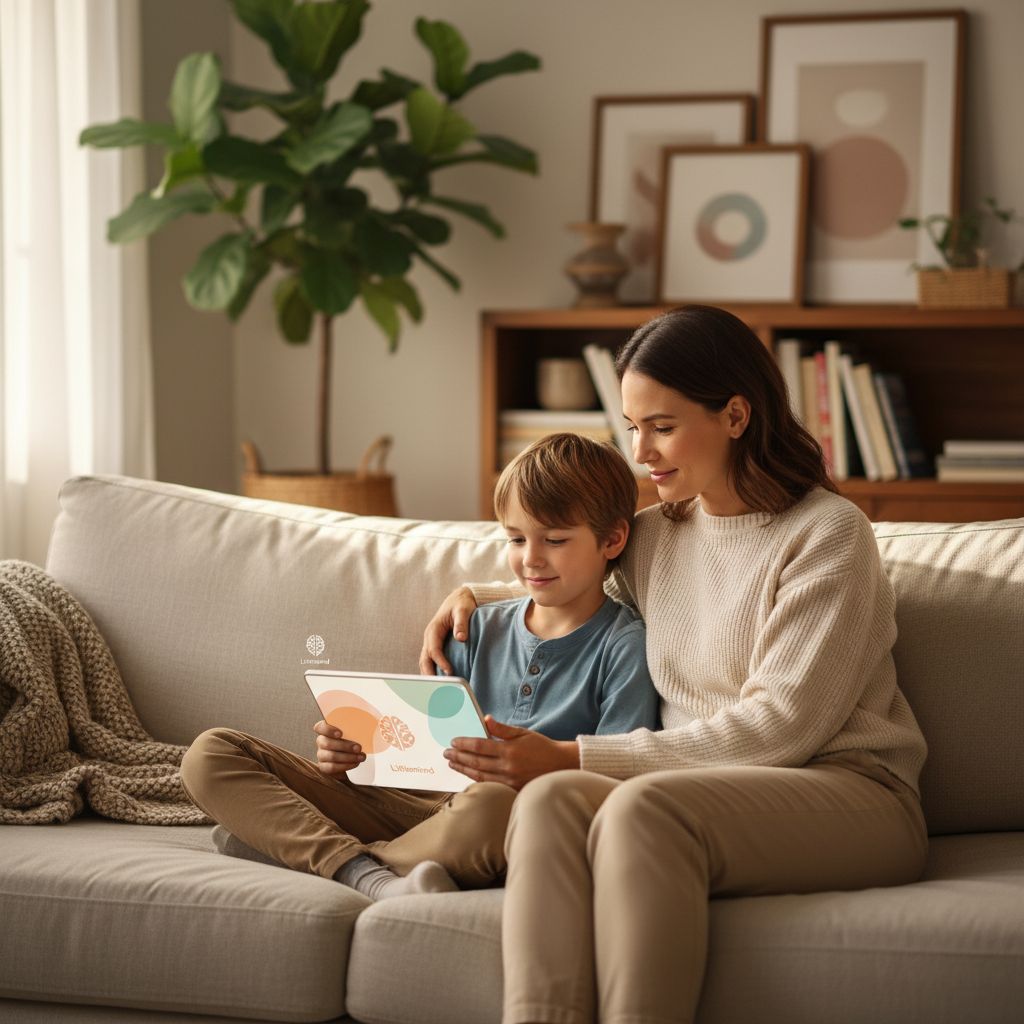
Apps like Littlemind make this tracking automatic. The daily mood check-ins reveal something powerful: kids who practice breathing exercises before bed show 40% better mood ratings the following day. Not sometimes. Consistently.
Here's what to watch for specifically:
- Mood shifts, are the highs less extreme? The lows less devastating?
- Sleep patterns, falling asleep faster, waking less during the night
- Focus duration, sitting through homework without constant breaks
- Recovery time, bouncing back from disappointment or frustration more quickly
Share these tracked patterns with your child's therapist, teacher, or pediatrician. They can't help optimize what they can't see. And objective data beats "he seems better" every time.
The magic number? Twenty-one days. That's how long it takes for measurable behavioral changes to surface. Stick with it. Track it. Then decide if it's working.
Of course, the practices that work best depend on your child's age and developmental stage.
Age-Specific Mindfulness: What Works at Different Developmental Stages
Kids aren't just small adults. Their brains develop in stages, and mindfulness practices need to match where they are.
Ages 4-7: Keep it playful and short. Try "stuffed animal breathing", they lie down with a favorite toy on their belly and watch it rise and fall. Blow bubbles slowly (you can't rush a bubble). Shake a glitter jar and watch the sparkle settle. Three minutes is a win at this age.
Ages 8-11: Now they can handle longer practices with narrative hooks. Guided imagery works beautifully, "Imagine you're a tree with roots growing deep" or "Picture a safe place where you feel calm." Their imagination is firing on all cylinders, so use it. Story-based meditations feel less like "sitting still" and more like an adventure.
Ages 12-14: Friendship drama. Body changes. Social media stress. They need practices that address real teenage anxiety. Teach them to notice physical stress signals (tight chest, racing heart) before emotions spiral. Body scans work well here. So does labeling emotions without judgment.
But watch for red flags. If your child shows persistent withdrawal, sleep problems, or talk of self-harm, mindfulness alone isn't enough. Professional support matters. Think of mindfulness as one tool in the emotional regulation toolbox, it works best alongside good sleep, physical activity, and honest conversations about feelings.
Building Your Child's Emotional Toolkit
Teaching children's mental health activities like mindfulness is just one piece of supporting their emotional wellbeing. The real power comes from understanding what actually works for your specific child, not what works in theory, but what creates real change in your home.
You might notice your daughter sleeps better after evening breathing exercises. Your son might focus better on homework when he does a five-senses check-in first. These aren't guesses. They're patterns you can see when you track them over time.
But here's the challenge: life gets busy. Remembering to notice these patterns while managing bedtime, homework, activities, and everything else? Nearly impossible. That's where having a system matters.
Littlemind helps parents connect the dots between the children's mental health activities you're trying and the actual mood changes you're seeing. The 30-second daily check-in creates a record that reveals which techniques truly help your child and when they need them most. No more wondering if mindfulness is working. You'll see the evidence.
Ready to understand what's really affecting your child's emotional wellbeing? Start tracking patterns with Littlemind's simple daily check-in. Because clarity leads to better support, and better support leads to a calmer, more confident child.
See what is behind the good and hard days
Littlemind is a 30-second daily check-in for parents of kids aged 4 to 14. Over a few days, gentle AI insights show you patterns in mood, sleep and behaviour, and what helps.