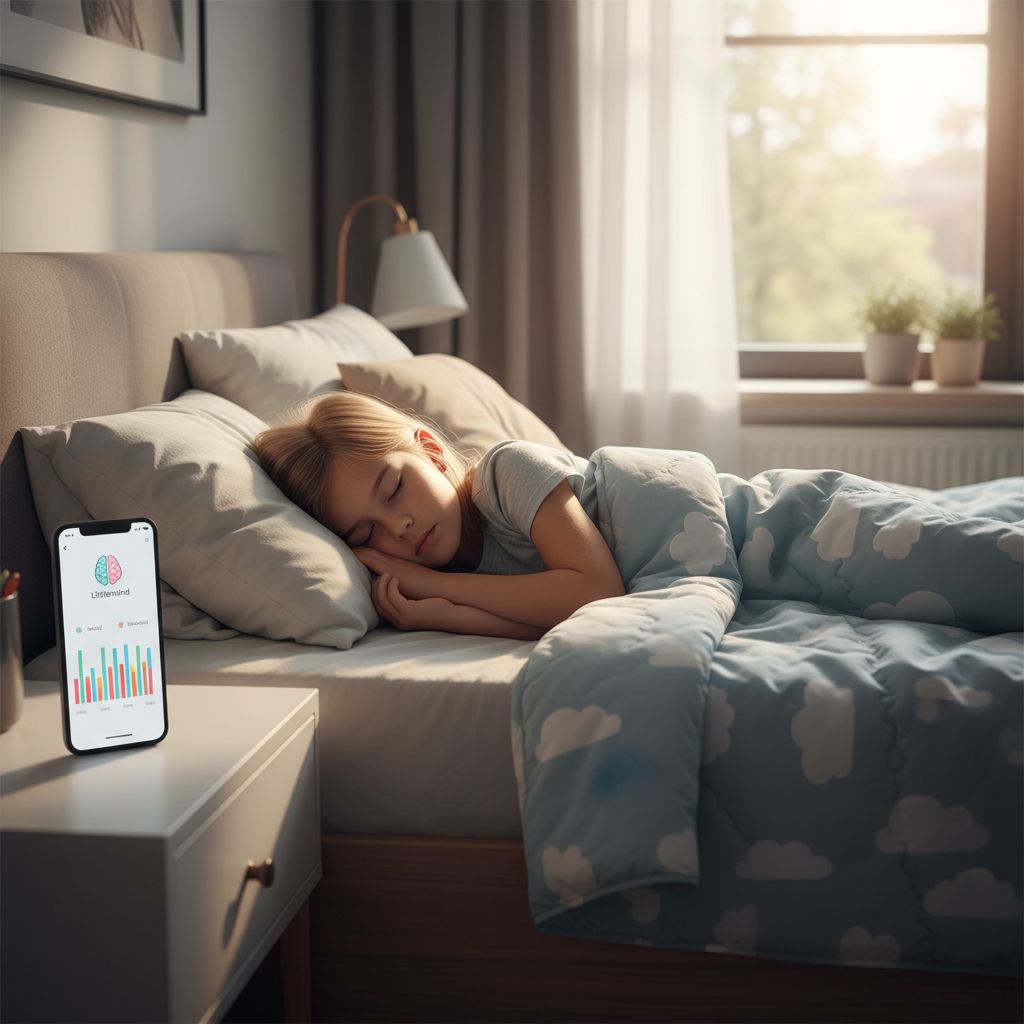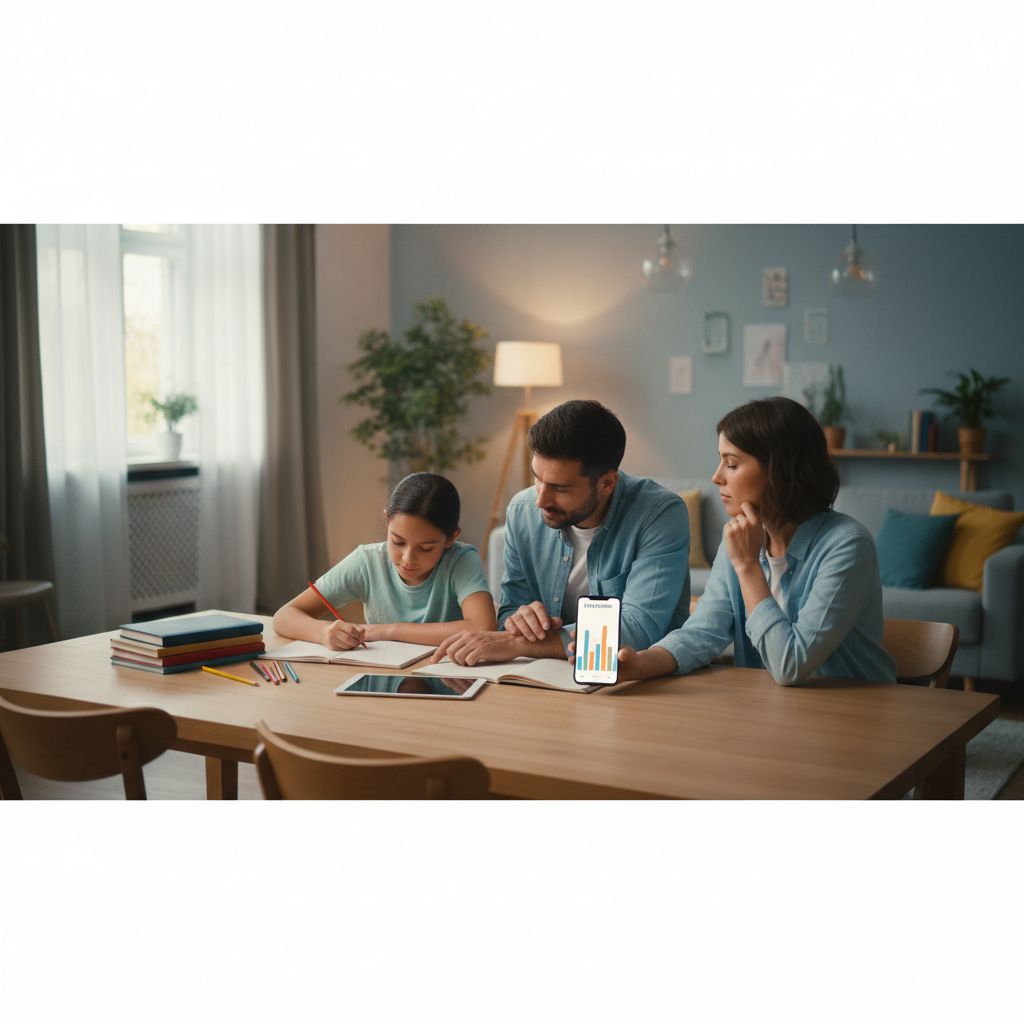
It's 7:15 PM on a Tuesday, and your normally cheerful eight-year-old is sobbing over a minor homework mistake. Yesterday, she snapped at her younger brother three times before breakfast. Last week, her teacher mentioned she seems "distracted" in class. You've tried everything—more quality time, adjusted discipline strategies, even cutting back on after-school activities. But you're missing the most fundamental factor affecting sleep and emotional health in children: adequate, consistent sleep.
Here's the surprising truth: research shows that up to 30% of behavioral and emotional issues parents attribute to stress, anxiety, or developmental challenges are actually rooted in inadequate sleep. Your child isn't being difficult. Their brain is running on empty.
The good news? This is an empowering revelation. Once you understand how deeply sleep shapes your child's emotional world, you have more control than you think. You're not powerless in the face of meltdowns and mood swings—you're equipped with knowledge that can transform your child's daily experience.
Let's explore what every parent needs to know about this critical connection.
The Sleep-Emotion Connection: Why Every Hour Matters
Your child's brain doesn't just rest during sleep. It processes, categorizes, and makes sense of everything that happened during the day — especially the emotional stuff.
While your child sleeps, their developing brain sorts through experiences like a filing system. That argument with a friend? The disappointment of a lost game? The excitement of learning something new? All of it gets processed and stored during sleep, particularly during REM cycles. Without enough sleep, emotions pile up unprocessed. Think of it like a computer trying to run with 47 browser tabs open.

The numbers matter here. Four to six-year-olds need 10-13 hours. Seven to twelve-year-olds need 9-12 hours. Teens need 8-10 hours. Miss those targets consistently, and you'll see it in their behavior — more meltdowns, heightened anxiety, difficulty bouncing back from setbacks.
But here's what many parents miss: consistency matters more than total hours. A child who gets 9 hours every night will regulate emotions better than one who gets 11 hours Monday through Thursday, then 6 hours Friday and Saturday. The brain craves predictability.
This becomes critical during transitions. New school year? Moving houses? Family stress? Your child's brain needs that consistent sleep schedule even more. It's their emotional reset button. Without it, small problems feel overwhelming. With it, they build genuine resilience — the ability to face challenges and recover.
Sleep isn't just about being rested. It's about being emotionally ready for life.
Understanding this connection is one thing—but recognizing how it plays out in your child's actual behavior is another.
The Hidden Cost: How Poor Sleep Shows Up in Your Child's Day
You might think a tired child looks sleepy. But here's what actually happens: Your six-year-old melts down over a broken crayon. Your ten-year-old can't sit through homework without snapping at you three times. Your preschooler runs laps around the living room at 7 PM like they've had five espresso shots.
Sleep deprivation doesn't make kids slow down. It revs them up.
Emotional regulation goes out the window first. When your child hasn't slept enough, their brain literally can't process emotions properly. The tears over "wrong" socks aren't manipulation — their nervous system is overwhelmed. That explosive anger about dinner? Their prefrontal cortex (the part that says "this isn't worth a tantrum") has gone offline.

Then the behavior shifts. You'll see more defiance, more aggression, more of that rigid "I won't and you can't make me" energy. Or the opposite: withdrawal, quietness, that thousand-yard stare during breakfast. Both are red flags.
At school, teachers notice concentration problems before you do. Your kid starts zoning out during reading time. Memory suffers — they can't recall what happened in the story they just heard. Grades slip, not because they're less capable, but because their brain is running on fumes.
And yes, they get sick more often. Sleep is when the immune system does its repair work. Cut that short, and you're looking at more colds, more stomach bugs, more missed school days.
Here's the part that trips up parents: Sleep-deprived children often look anxious or depressed. The irritability, the social withdrawal, the low frustration tolerance — these mirror mental health conditions. Sometimes it is anxiety or depression. But sometimes? It's just a kid who needs three more hours of sleep per night.
So how do you know if sleep is truly the culprit behind your child's struggles?
Connecting the Dots: Why Tracking Sleep Patterns Reveals What Words Can't
Your nine-year-old says she's fine. But she's been melting down over homework for three weeks straight. You ask what's wrong — she shrugs. You probe deeper — she gets defensive. The conversation goes nowhere.
Here's the thing: kids between 4 and 14 rarely connect the dots between how they feel and how they slept. They don't wake up thinking "I only got six hours of sleep, so I'll probably be irritable today." They just know they feel bad. And they can't explain why.
That's where pattern recognition becomes your superpower. When you track children's sleep patterns alongside mood and behavior, the invisible becomes visible. "My child is more defiant" transforms into "Behavior issues spike 70% after nights with poor sleep." Suddenly you're not guessing anymore.
Littlemind's daily tracking lets you log sleep quality right next to emotional shifts and life events. Takes 90 seconds. But over two weeks? You see patterns that would've stayed hidden forever. The correlation between nighttime wake-ups and next-day anxiety. The link between late bedtimes and emotional regulation problems.
This data changes everything when you talk to professionals. Your pediatrician doesn't need vague descriptions ("He's been acting out"). You show them: sleep quality dropped during the custody transition, and aggressive incidents increased 3x. Your therapist sees exactly when the pattern started. Treatment becomes targeted instead of exploratory.
The tracking is especially powerful during big transitions. Custody schedule changes. New school year. Family stress. A new sibling. These events mess with sleep in ways kids don't report (and parents don't always notice). But the data captures it. You spot the pattern before it becomes a crisis.
Plus — and this matters — having concrete data removes the guesswork from parenting decisions. You're not wondering if sleep is the issue. You know. And knowing means you can actually do something about it.
Once you've identified the patterns, you can implement strategies that directly address your child's specific needs.
Building Better Sleep: Practical Hygiene Strategies That Work
Start with the foundation: same bedtime, same wake time. Every day. Yes, even Saturday. Your child's circadian rhythm doesn't take weekends off, and consistency builds better sleep than any other single factor.
The bedroom matters more than you think. Keep it cool (65-68°F), dark (blackout curtains work wonders), and quiet. White noise machines can mask household sounds. Comfortable bedding isn't optional — it's essential.
Wind-down routines work because they signal sleep is coming. For preschoolers, try 30 minutes of bath, books, and cuddles. School-age kids need 45-60 minutes: homework done, toys away, then calm activities like reading or quiet conversation. Teens resist routines but still need them — even if it's just dimming lights and putting away the phone.
Speaking of phones: screens off 1-2 hours before bed. Blue light suppresses melatonin, the hormone that makes you sleepy. No negotiations here. Charge devices outside bedrooms overnight.
Exercise absolutely helps sleep. But timing counts. Morning or afternoon activity is perfect. Evening workouts (within 2-3 hours of bedtime) can leave kids too energized to settle down.
Watch what goes in after dinner. No caffeine — and yes, that includes chocolate and soda. Skip the sugar rush from dessert right before bed. A light snack like crackers or yogurt is fine if your child is genuinely hungry, but don't make it routine.
For anxious kids with racing thoughts, try this: keep a worry journal by the bed. Write down three concerns, then close the book. "We'll think about these tomorrow." Deep breathing works too — in for four counts, hold for four, out for four. Simple techniques that give worried minds something concrete to do besides spin.
That said, good child sleep hygiene doesn't solve every problem—sometimes professional intervention is necessary.
When to Seek Additional Help
Sometimes your sleep problems run deeper than late-night scrolling or poor bedroom habits. You need to recognize when it's time to call in professional help.
Watch for these red flags: Your child stops breathing during sleep (even briefly). Their legs twitch or ache at night, making it impossible to stay still. They can't fall asleep despite being exhausted, night after night. Or they wake up gasping for air. These aren't just annoyances — they're potential signs of sleep apnea, restless leg syndrome, or chronic insomnia.
Here's where your sleep tracking data becomes invaluable. Doctors don't have to guess. They can see patterns, timing, and frequency of issues. This speeds up diagnosis dramatically and helps them rule out (or confirm) specific disorders.
But physical disorders aren't the only culprit. Anxiety, trauma, and chronic stress can hijack sleep just as effectively. If racing thoughts won't quit or past experiences haunt your child's nights, a therapist who specializes in sleep issues can help rewire those patterns. Sometimes the fix isn't a new mattress — it's addressing what's happening in your child's head.
Transform Understanding Into Action
Understanding the connection between sleep and mood in kids is the first step. But seeing the actual patterns in your child—that's what creates real change.
Here's where many parents get stuck: they know something's off, but they're operating on hunches and scattered observations. "She seems more irritable lately." "He's been difficult at bedtime." These vague concerns don't give you anything concrete to work with.
This is where Littlemind's tracking app transforms abstract worries into actionable insights. In just 30 seconds per day, you can log your child's sleep quality, emotional states, and behaviors. Within two weeks, you'll see patterns you never would have caught otherwise—the nights that predict tough mornings, the sleep disruptions that correlate with sleep deprivation behavior children exhibit at school.
You're not guessing anymore. You're seeing your child's unique sleep-emotion patterns clearly, which means you can make informed decisions about bedtimes, routines, and when to seek professional help. When you do consult a pediatrician or therapist, you'll arrive with data that makes diagnosis faster and treatment more targeted.
Understanding these patterns isn't about being a perfect parent—it's about being a more informed one. Your child's emotional health deserves more than guesswork. It deserves clarity.
Start tracking today and discover what your child's sleep is really telling you.